

Trigger.dev
Developer-focused runtime for long-running tasks, AI agents, media and browser jobs, retries, realtime streaming, and observable async application workflows.
14.1K+ GitHub stars
Recommended Fit
Best Use Case
Developers building long-running background jobs in TypeScript with built-in retries and scheduling.
Trigger.dev Key Features
Easy Setup
Get started quickly with intuitive onboarding and documentation.
Developer Workflow Engine
Developer API
Comprehensive API for integration into your existing workflows.
Active Community
Growing community with forums, Discord, and open-source contributions.
Regular Updates
Frequent releases with new features, improvements, and security patches.
Trigger.dev Top Functions
Overview
Trigger.dev is a developer-first runtime platform designed to handle long-running background jobs, scheduled tasks, and complex async workflows in TypeScript. It abstracts away infrastructure complexity by providing a managed environment where developers write job code directly in TypeScript without managing queues, workers, or deployment pipelines. The platform handles execution, retries, error recovery, and observability out of the box, making it ideal for teams building AI agents, webhook processors, media transcoding pipelines, and browser automation tasks.
The platform distinguishes itself through its developer experience: jobs are defined as simple TypeScript functions with built-in retry logic, exponential backoff, and failure handling. Trigger.dev's real-time streaming capabilities enable AI agents to stream responses back to clients, while its browser and media job types support headless Chrome automation and file processing without external services.
Key Strengths
Trigger.dev's greatest strength is its TypeScript-native approach with zero boilerplate infrastructure code. Developers define jobs using intuitive decorators and trigger them via simple function calls or webhooks. The platform's observable workflow engine provides detailed logs, execution timelines, and error traces within the dashboard, eliminating the need for external monitoring tools.
Reliability features are production-grade: automatic retries with configurable backoff strategies, concurrency controls to prevent rate-limiting, and error recovery prevent job loss. The freemium model is genuinely useful—the free tier supports substantial workloads with generous limits, making it accessible for startups and solo developers.
- Real-time streaming for AI agents and chat applications without external WebSocket infrastructure
- Browser job type runs headless Chrome without containerization, simplifying Puppeteer and Playwright workflows
- Built-in scheduling with cron expressions and delay-based triggers
- Webhook receiver integration directly from platforms like GitHub, Stripe, and custom sources
- Open-source SDK with active GitHub community and regular updates
Who It's For
Trigger.dev is purpose-built for full-stack TypeScript developers and teams building AI-powered applications. It excels for startups deploying AI agents that need reliable background processing, SaaS platforms handling webhook integrations at scale, and developers automating repetitive tasks without managing infrastructure.
The platform is also ideal for teams migrating from Celery, Bull, or AWS Lambda who want faster iteration without ops overhead. However, teams requiring multi-language support or deeply customized deployment environments may find constraints.
Bottom Line
Trigger.dev solves a real pain point: running reliable long-running jobs without becoming a DevOps engineer. Its TypeScript-first design, generous free tier, and exceptional observability make it the fastest way to deploy background job infrastructure for modern applications. For developers building AI applications, webhooks processors, or scheduled workflows, it's a clear productivity multiplier.
The platform's main trade-off is lock-in to TypeScript and its managed ecosystem—but for teams already committed to Node.js, this is negligible. If your team values developer experience and wants to ship faster, Trigger.dev deserves serious evaluation.
Trigger.dev Pros
- TypeScript-native job definitions eliminate boilerplate infrastructure code, reducing time from idea to production by weeks.
- Free tier includes up to 10K monthly job runs, sufficient for testing and small production workloads without credit card.
- Real-time streaming for AI agents enables chat-like interactions without building custom WebSocket infrastructure.
- Browser job type runs headless Chrome natively, eliminating the need for Docker or external services like BrowserStack.
- Automatic retries with exponential backoff and concurrency controls prevent data loss and handle rate-limiting transparently.
- Observable workflow engine provides detailed execution logs, duration tracking, and error traces—no external APM required.
- Active open-source community with regular SDK updates and responsive maintainers on GitHub discussions.
Trigger.dev Cons
- TypeScript-only SDK means Go, Python, and Rust projects cannot use Trigger.dev natively, requiring REST API workarounds.
- Vendor lock-in to Trigger.dev's managed runtime—migrating jobs to self-hosted Bull or Celery requires significant refactoring.
- Pricing for high-volume workloads becomes expensive quickly; scaling to millions of monthly jobs may exceed cost-effectiveness of self-hosted alternatives.
- Limited customization of retry strategies and concurrency controls compared to mature job queue frameworks like Temporal or Durable.
- No native support for distributed tracing across multiple services—observability is limited to Trigger.dev's platform.
- Cold starts on free tier can introduce 1-2 second latency on first job execution in a project, impacting time-sensitive workflows.
Get Latest Updates about Trigger.dev
Tools, features, and AI dev insights - straight to your inbox.
Trigger.dev Social Links
Growing Discord community for serverless automation platform
Need Trigger.dev alternatives?
Trigger.dev FAQs
Latest Trigger.dev News

Discover the New Private Links UI in Trigger.dev

Trigger.dev Unlocks Secure SQL Access on Shared ClickHouse
TRQL: Trigger.dev's Domain-Specific Query Layer Explained
Trigger.dev's Vercel Integration: Atomic Deployments Now Native
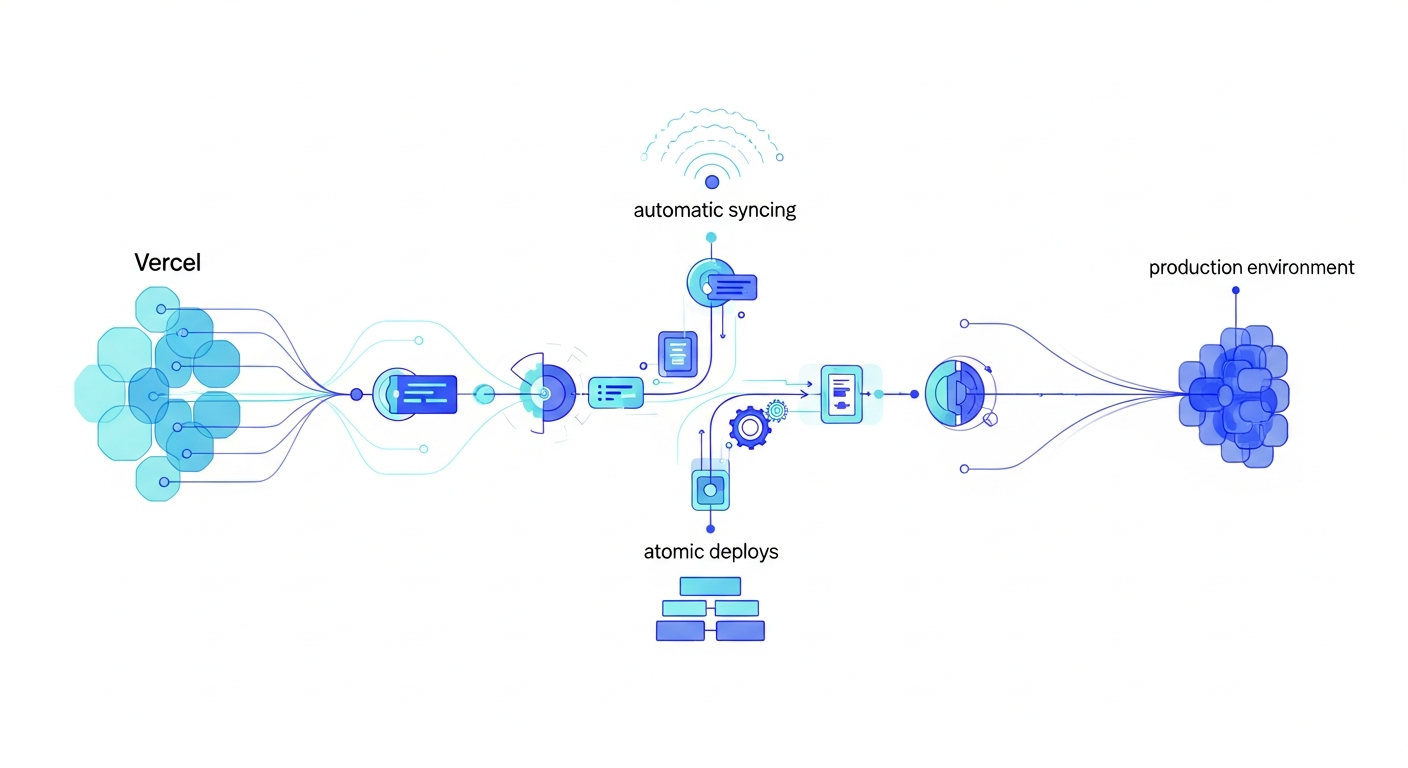
Trigger.dev's Vercel Integration: What It Means for Your Deploy Pipeline