Science Corp advances brain-computer interface technology with first human sensor implant targeting neurological condition treatment through electrical stimulation.
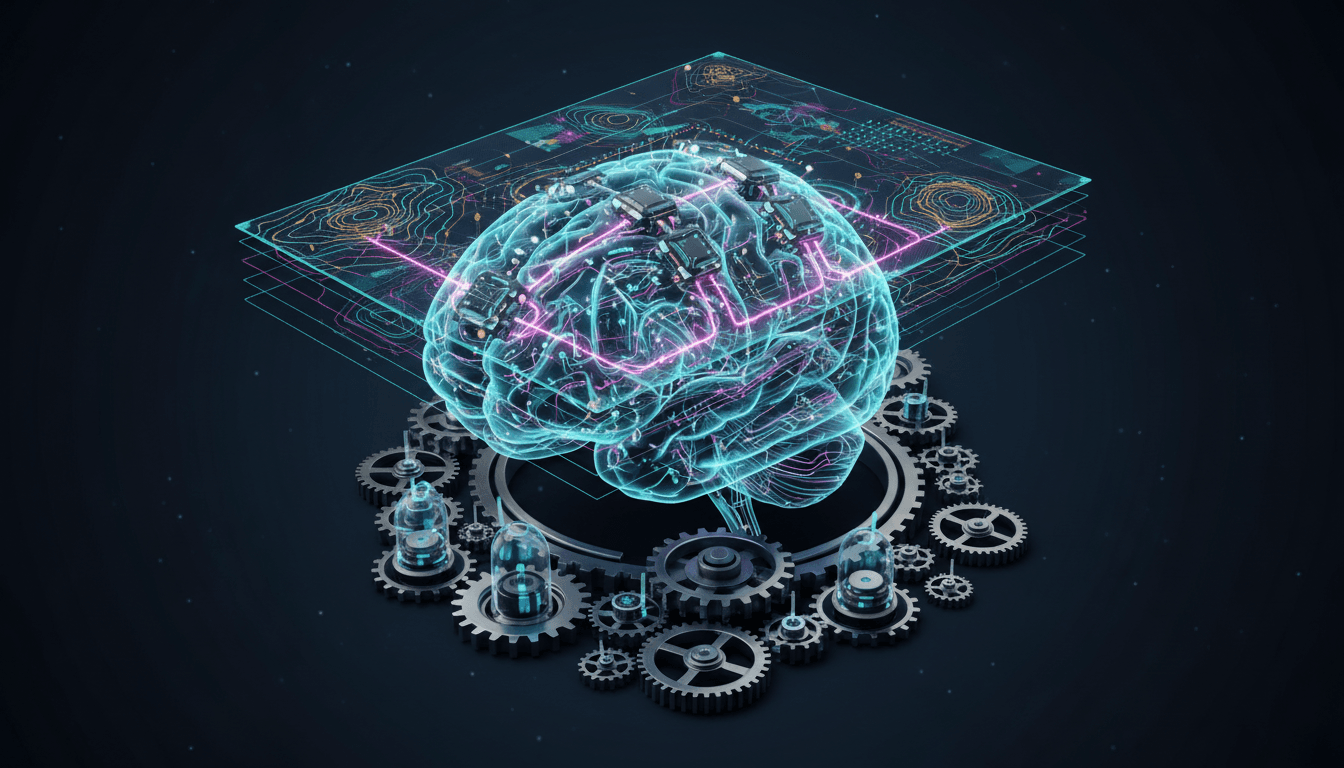
Science Corp's brain sensor enables targeted neural healing through programmable electrical stimulation, offering new treatment options for neurological conditions previously considered untreatable.
Signal analysis
Science Corp, founded by former Neuralink co-founder Max Hodak, has reached a critical milestone in brain-computer interface development with preparations underway for its first human brain sensor implantation. The company's neural device represents a significant advancement in biomedical technology, designed specifically to address multiple neurological conditions through targeted electrical stimulation. Unlike previous brain implants focused primarily on motor control or communication, Science Corp's sensor targets therapeutic applications for damaged neural tissue recovery.
The brain sensor utilizes proprietary microelectrode arrays capable of delivering precise electrical stimulation to damaged brain and spinal cord cells. The device incorporates advanced signal processing algorithms that can identify optimal stimulation patterns for individual patients, adapting treatment protocols based on real-time neural feedback. Technical specifications include biocompatible materials designed for long-term implantation, wireless power transmission capabilities, and data collection systems that monitor neural activity continuously. The sensor's architecture allows for programmable stimulation parameters, enabling clinicians to adjust treatment intensity and frequency based on patient response.
This development marks a departure from Science Corp's previous focus on retinal implants, expanding their neural interface portfolio into direct brain intervention. The transition represents approximately three years of intensive research and development since the company's founding in 2021. Previous iterations of the technology underwent extensive animal testing, demonstrating successful neural tissue regeneration in laboratory settings. The human trial preparation indicates regulatory approval processes are progressing, with FDA breakthrough device designation potentially accelerating clinical pathway timelines.
Primary beneficiaries include patients with traumatic brain injuries, stroke survivors, and individuals with spinal cord damage who have exhausted traditional treatment options. Neurologists and neurosurgeons treating chronic neurological conditions will gain access to a novel therapeutic modality that could restore function in previously untreatable cases. Research institutions studying neural plasticity and regenerative medicine will benefit from the device's data collection capabilities, advancing understanding of brain healing mechanisms. The technology particularly targets patients with localized neural damage where traditional pharmaceutical interventions have proven insufficient.
Secondary applications extend to patients with treatment-resistant depression, chronic pain syndromes, and certain movement disorders where targeted neural stimulation could provide therapeutic benefits. Rehabilitation specialists working with neurological patients will have access to objective neural activity measurements, enabling more precise therapy customization. Medical device companies developing complementary neural technologies may find partnership opportunities for integrated treatment approaches. Academic researchers studying brain-computer interfaces will gain access to human neural data previously unavailable through non-invasive methods.
Patients with progressive neurodegenerative diseases should approach this technology cautiously, as the current device design targets localized damage rather than widespread neural deterioration. Individuals with active infections, bleeding disorders, or certain psychiatric conditions may not be suitable candidates for brain implantation procedures. The technology requires surgical intervention, making it inappropriate for patients who cannot tolerate neurosurgical procedures or those seeking non-invasive treatment alternatives.
Patient eligibility requires comprehensive neurological evaluation including MRI imaging, electrophysiological testing, and detailed medical history review. Candidates must demonstrate stable neurological conditions for at least six months, have exhausted conventional treatment options, and meet specific anatomical criteria for safe implantation. Pre-surgical requirements include cardiac clearance, infectious disease screening, and psychological evaluation to ensure appropriate expectations and compliance capabilities. Insurance pre-authorization processes may require extensive documentation of treatment failure with standard therapies.
The clinical trial enrollment process begins with physician referral to participating medical centers, followed by initial screening appointments to assess basic eligibility criteria. Detailed informed consent procedures will explain surgical risks, device limitations, and long-term monitoring requirements. Baseline neurological assessments establish pre-treatment function levels for post-implantation comparison. Patients must commit to regular follow-up appointments, device programming sessions, and participation in outcome measurement protocols extending potentially several years post-implantation.
Post-surgical monitoring involves regular device interrogation sessions where clinicians adjust stimulation parameters based on patient response and neural activity data. Patients receive training on recognizing device malfunction symptoms and emergency contact procedures. Rehabilitation protocols may be modified to incorporate electrical stimulation sessions, requiring coordination between neurosurgeons, neurologists, and physical therapists. Long-term participation includes contributing to research databases that will inform future device iterations and treatment protocols.
Science Corp's therapeutic focus differentiates it from Neuralink's emphasis on high-bandwidth brain-computer communication and motor control restoration. While Neuralink targets paralyzed patients seeking to control external devices, Science Corp addresses neural healing through electrical stimulation therapy. Synchron's endovascular approach avoids open brain surgery but provides limited stimulation capabilities compared to Science Corp's direct cortical access. The competitive advantage lies in Science Corp's specialized neural regeneration algorithms and programmable stimulation protocols designed specifically for therapeutic rather than assistive applications.
Technical advantages include Science Corp's wireless power transmission system that eliminates infection risks associated with transcutaneous connectors used by some competitors. The device's biocompatible materials and miniaturized electronics enable long-term implantation without significant tissue reaction. Real-time adaptive stimulation capabilities surpass fixed-parameter devices, allowing personalized treatment optimization. The company's focus on FDA regulatory pathways for medical devices rather than research applications may accelerate clinical availability compared to competitors pursuing broader brain-computer interface applications.
Limitations include the invasive surgical requirement that restricts patient population compared to non-invasive alternatives. The device's therapeutic focus limits revenue potential compared to consumer-oriented brain-computer interfaces. Manufacturing scalability remains unproven for mass production, potentially constraining initial market penetration. Long-term device reliability data is unavailable, creating uncertainty about replacement surgery requirements and associated patient risks.
Science Corp's development roadmap includes expanding device capabilities to address additional neurological conditions beyond traumatic brain injury and stroke. Future iterations may incorporate closed-loop stimulation systems that automatically adjust parameters based on continuous neural feedback without clinician intervention. The company plans to develop condition-specific stimulation protocols for depression, chronic pain, and movement disorders, potentially creating a platform technology for multiple therapeutic applications. Integration with artificial intelligence systems could enable predictive algorithms that optimize stimulation timing and intensity for individual patient neural patterns.
Market expansion depends on successful human trial outcomes and subsequent FDA approval for commercial distribution. Partnership opportunities with major medical device manufacturers could accelerate global market penetration and manufacturing scale. The technology may catalyze development of complementary neural interface devices, creating an ecosystem of interconnected brain stimulation and monitoring systems. Academic collaborations will likely generate extensive research data supporting expanded clinical applications and refined treatment protocols.
Long-term implications include potential transformation of neurological rehabilitation from passive therapy to active neural regeneration. The success of Science Corp's approach could validate electrical stimulation as a standard treatment modality, encouraging investment in similar technologies. Regulatory frameworks for brain-computer interfaces may evolve to accommodate therapeutic applications distinct from assistive devices. The technology's data collection capabilities could contribute to fundamental neuroscience research, advancing understanding of brain plasticity and healing mechanisms that benefit broader medical applications.
Best use cases
Open the scenarios below to see where this shift creates the clearest practical advantage.
One concise email with the releases, workflow changes, and AI dev moves worth paying attention to.
More updates in the same lane.
After two App Store removals, Anything pivots with a desktop companion app launching in 2026 to revolutionize mobile development through vibe-coding workflows.
StrictlyVC San Francisco 2026 assembles top venture capital and AI development leaders for strategic networking and industry insights on April 30.
Semiconductor companies are deploying agentic AI systems to automate complex chip design workflows, reducing development cycles by 40% while maintaining design quality standards.
