
Canva AI
All-in-one design platform with AI magic tools. Templates, images, videos, and presentations.
Millions of creators using Canva AI
Recommended Fit
Best Use Case
Non-designers and marketers creating professional graphics, presentations, and videos with AI-powered templates.
Canva AI Key Features
Collaborative Design
Real-time multiplayer editing with comments and version history.
Design Tool
Component System
Reusable design components with variants, auto-layout, and constraints.
Developer Handoff
Inspect mode with CSS, measurements, and asset export for developers.
Prototyping
Interactive prototypes with transitions, animations, and user flows.
Canva AI Top Functions
Overview
Canva AI is a comprehensive design platform that democratizes professional-grade visual content creation for non-designers, marketers, and small teams. Built on a foundation of millions of templates, stock images, videos, and fonts, Canva integrates AI-powered magic tools that automate design decisions, from layout suggestions to background removal and text generation. The platform operates on a freemium model with optional premium subscriptions, making it accessible to solo creators while scaling to enterprise teams with collaborative features and brand kits.
The tool excels at reducing design friction by offering pre-built templates for every common use case—social media posts, presentations, videos, business cards, and more. Its AI Magic tools include background remover, magic expand for extending designs, magic write for content suggestions, and AI image generation via integrated models. The component system and developer handoff capabilities suggest Canva is evolving beyond casual design into a serious tool for design systems and cross-functional workflows.
Key Strengths
Canva's greatest strength is its zero-to-hero template library and intuitive drag-and-drop interface. Users without design training can create pixel-perfect graphics in minutes by selecting a template, swapping text and images, and adjusting colors via brand kit integration. The Magic Suite of AI features—particularly Magic Write for generating copy variations and background remover for instant image enhancement—saves hours of manual work without requiring Photoshop expertise or hiring a designer.
Collaborative design capabilities allow teams to work on projects simultaneously, leave comments, and maintain version history. The developer handoff feature (available in premium tiers) enables designers to export design specs, component libraries, and asset collections that developers can directly implement. Prototyping tools within Canva let creators add interactive elements to presentations and flows, bridging the gap between static design and functional specs.
- Freemium tier includes millions of free elements and templates—no credit card required to get started
- Brand kit feature ensures consistency across all designs by syncing colors, fonts, and logos across projects
- Built-in video editor with stock footage, music, and transitions rivals standalone video tools
- Magic Expand AI extends designs beyond original boundaries for optimal social media aspect ratios
- One-click exports to multiple formats (PNG, PDF, MP4, HTML) with customizable dimensions
Who It's For
Canva AI is purpose-built for non-designers: marketing teams creating social campaigns, small business owners producing presentations, content creators editing videos, and educators designing course materials. The low barrier to entry makes it ideal for freelancers and agencies who need to spin up designs quickly without maintaining expensive design software licenses. Teams using Canva benefit from collaborative workflows without learning steep software curves.
While Canva works for professional designers as a rapid prototyping or template-based creation tool, it's not a replacement for Adobe Creative Suite for complex, pixel-perfect, print-ready work. However, its developer handoff and component system positioning suggests growing appeal to design systems teams and cross-functional product teams working in tech who need a more integrated design-to-dev pipeline.
Bottom Line
Canva AI is the fastest path from idea to professional-looking design for non-specialists. The combination of accessible templates, AI-powered tools, and collaborative features makes it unmatched for speed and ease of use in the mass-market design space. Its freemium pricing removes friction for individual creators, while premium tiers unlock advanced features like Magic Write, background removal, and developer handoff that justify subscription costs for regular users.
The platform's evolution toward design system support and developer workflows signals ambition beyond casual design creation. For teams and individuals prioritizing shipping creative work quickly over granular design control, Canva AI delivers exceptional value and removes the traditional dependency on hiring designers or learning complex design software. The main trade-off is customization depth versus speed—and for most use cases, that's a winning trade.
Canva AI Pros
- Freemium tier is genuinely useful—millions of templates, stock images, and design elements available without payment, removing barriers for individual creators and startups.
- AI Magic Write generates 3-5 copy variations in seconds, eliminating blank-page paralysis for social captions, headlines, and CTAs without hiring a copywriter.
- Background Remover and Magic Expand handle tedious image editing tasks automatically, saving 30-60 minutes per design versus Photoshop or manual work.
- Collaborative editing with real-time sync, commenting, and task assignment enables small teams to work on designs simultaneously without version control chaos.
- One-click exports to 10+ formats (PNG, PDF, MP4, HTML, SVG) optimized for each platform—eliminates manual resizing and reformatting for different channels.
- Brand kit locks colors, fonts, and logos globally, ensuring 100% consistency across all team designs without manual color matching or font hunting.
- Developer handoff feature exports design specs and component libraries directly usable by engineers, reducing designer-developer translation friction in tech teams.
Canva AI Cons
- Premium pricing escalates quickly—Magic Write, background removal, and advanced export features require $180+/year subscription, pushing cost beyond casual users' budgets.
- Template quality varies significantly; many free templates use dated fonts and design patterns, requiring customization to avoid generic-looking outputs.
- Limited advanced customization compared to Adobe Creative Suite—no granular control over typography, kerning, or vector shape manipulation for pixel-perfect designs.
- AI-generated images (via integrated image generation) sometimes produce inconsistent results or require multiple regenerations, slowing workflows versus stock photo libraries.
- Free tier includes watermarks on exported videos, forcing upgrade for clean final delivery unless you tolerate Canva branding.
- Offline editing is unavailable—all work requires active internet connection, making it impractical for travel or regions with unstable connectivity.
Get Latest Updates about Canva AI
Tools, features, and AI dev insights - straight to your inbox.
Canva AI Social Links
Need Canva AI alternatives?
Canva AI FAQs

Recent AI Updates
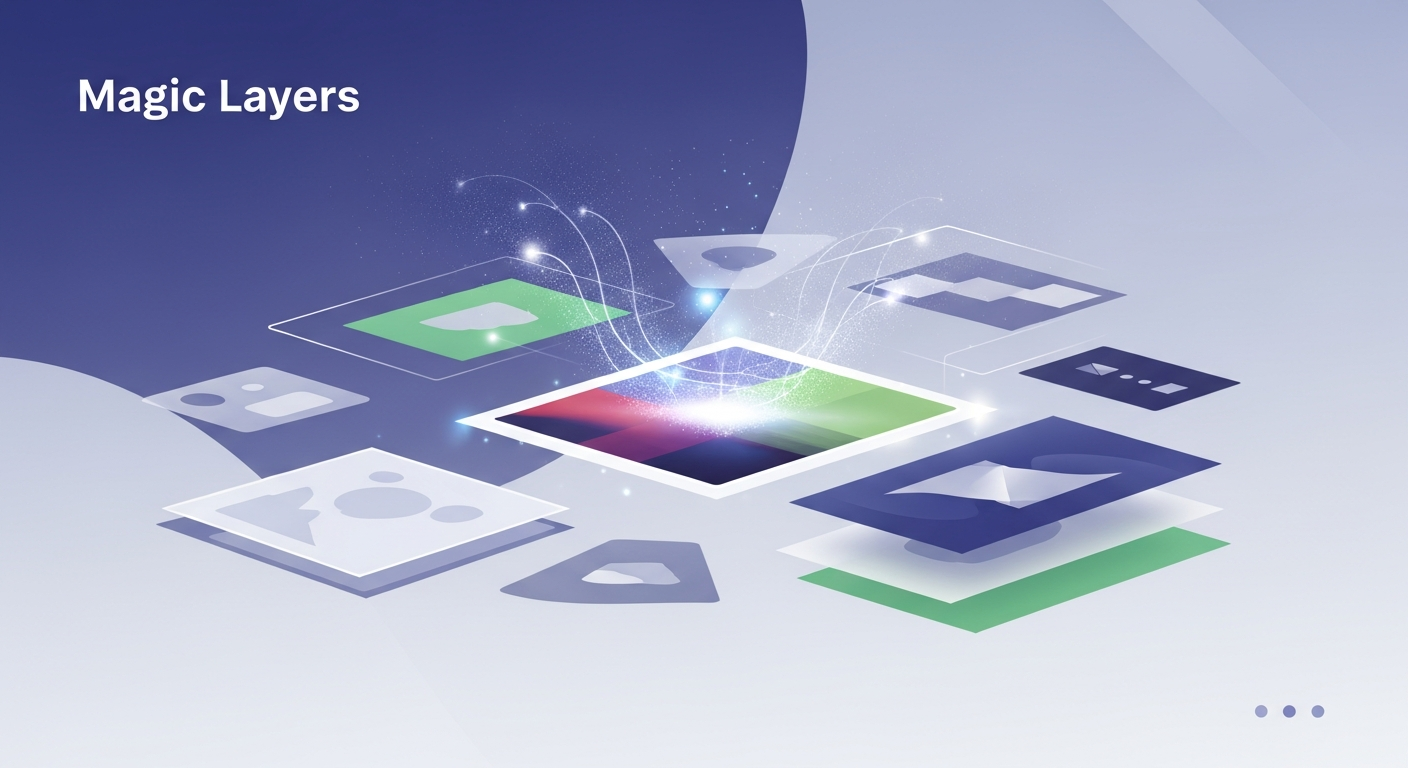
Magic Layers: AI-powered multi-layer image editing
Canva introduced Magic Layers, a new capability of the Canva Design Model that converts flat images into fully editable, multi-layered designs. This enables users to have greater creative control over AI-generated content.
Magic Layers: AI-powered editable layer generation for images
Canva introduced Magic Layers, a new capability of the Canva Design Model that converts flat images into fully editable, multi-layered designs. This feature provides enhanced creative control over AI-generated content.